
Finding the best hobby farm insurance is crucial for protecting what you’ve built, whether it’s a cozy garden or a diverse small-scale operation. Hobby farming can be a delight but brings risks that homeowners insurance often doesn’t cover. Here’s a snapshot of what’s needed to find the best fit:
- Legal Liability Protection: Shields you from legal claims due to injuries or damages related to your farm.
- Structures and Contents Coverage: Protects buildings and valuable farm contents.
- Livestock, Crop, and Income Protection: Ensures against loss and revenue disruptions.
- Equipment Coverage: Secures tractors, tools, and machinery.
As a lifelong resident of a farming community and founder of Farm and Country Insurance, I’m Jeffrey Joseph. I’ve crafted solutions to provide farms with the best hobby farm insurance options. Up next, let’s dig into the basics: understanding coverage needs and options.

Understanding Hobby Farm Insurance
When it comes to hobby farm insurance, understanding your coverage needs is the first step. Hobby farms can range from small vegetable gardens to more complex operations with livestock and machinery. Each type of farm has unique risks and requires specific coverage types to ensure comprehensive protection.
Coverage Needs
1. Legal Liability Protection
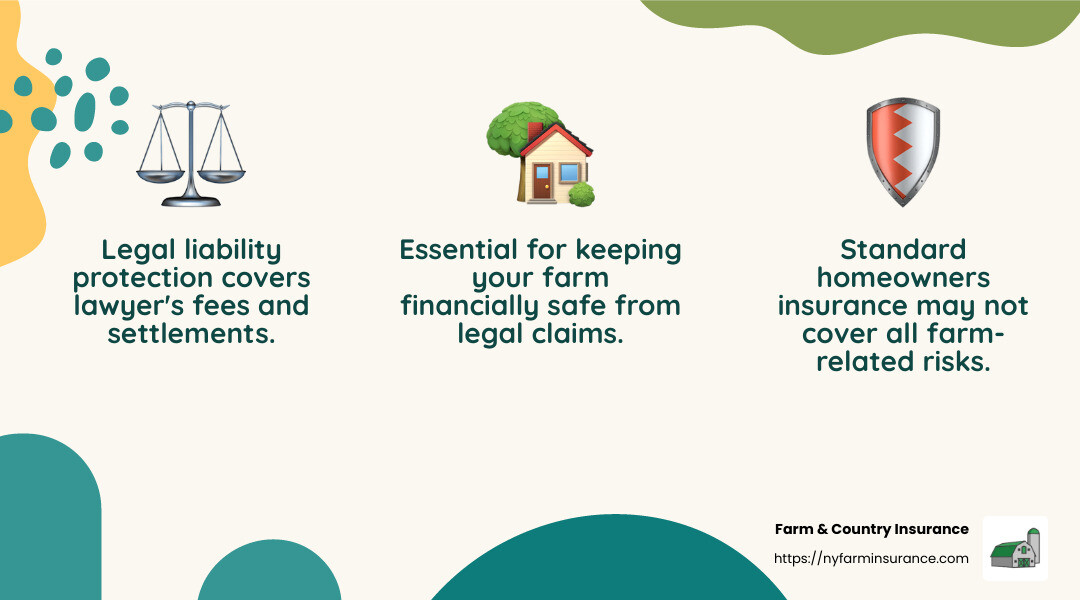
Hobby farms can pose risks not covered by standard homeowners insurance. For instance, if someone gets injured on your property or by your products, you could be held liable. Legal liability protection covers lawyer’s fees, settlements, and damage awards. It’s essential for keeping your farm financially safe from unexpected legal claims.
2. Property Damage Coverage
This coverage is crucial for protecting the physical aspects of your farm. It includes insurance for structures like barns, sheds, and greenhouses, as well as the contents inside them. Whether it’s a storm damaging your barn or a fire affecting your equipment, property damage coverage helps you recover without bearing the full cost out-of-pocket.

3. Livestock and Crop Protection
Hobby farms often include animals and crops, both of which are vulnerable to various risks. Insurance can cover losses due to disease, theft, or natural disasters. This is particularly important if your hobby farm contributes to your income or involves rare or expensive breeds.
4. Equipment Coverage
Tractors, plows, and other machinery are vital for many hobby farms. Equipment coverage ensures these assets are protected against theft, damage, or breakdowns. This coverage keeps your farm running smoothly without unexpected repair or replacement costs.
Liability Protection
Liability protection is more than just safeguarding against lawsuits. It encompasses any scenario where your farm could cause harm or damage, whether that’s a visitor tripping over a tool or your animals wandering onto a neighbor’s property. This protection is about peace of mind, knowing you’re covered if things go awry.
Property Damage
Property damage on a hobby farm can range from minor repairs to significant rebuilds. Having insurance that covers these potential losses means you can focus on what you love—farming—without the stress of financial setbacks. This coverage ensures that both your home and farm structures are secure.
By understanding these core components of hobby farm insurance, you can tailor a policy that fits your specific needs. Up next, we’ll explore the best hobby farm insurance options available to you, focusing on customizable packages and risk management.
Best Hobby Farm Insurance Options
When selecting the best hobby farm insurance, flexibility is key. Every hobby farm is unique, with different risks and needs. That’s why customizable insurance packages are so valuable. They allow you to tailor your coverage to fit your specific farm operations and priorities.
Customizable Packages
Insurance packages for hobby farms can be adjusted to cover a range of areas. Whether you need protection for livestock, equipment, or buildings, a customizable package can help. You can choose the coverage that makes the most sense for your farm. Here are some options you might consider:
- Property and Equipment Coverage: Protects your farm’s physical structures and the machinery you use daily.
- Liability Coverage: Shields you from legal claims if someone is injured on your farm or by your products.
- Crop and Livestock Insurance: Offers financial protection against losses from disease, theft, or natural disasters.
Coverage Types
The right insurance can safeguard your investment and provide peace of mind. Here are some common coverage types for hobby farms:
Farm Property Coverage: Ensures that your farm buildings, such as barns and sheds, are protected against damage from weather events or accidents.
Liability Insurance: Essential for covering legal fees and damages if someone gets hurt on your farm or if your animals cause damage.
Livestock Insurance: Provides coverage for your animals against risks like disease or theft.
Equipment Breakdown Coverage: Helps cover the cost of repairing or replacing essential machinery that breaks down unexpectedly.
Risk Management
Managing risks on a hobby farm is crucial to maintaining a successful operation. Insurance plays a big role in this. By identifying potential risks and ensuring you have the right coverage, you can mitigate financial losses. Here are some risk management strategies:
Regular Maintenance: Keep your equipment and buildings in good repair to prevent accidents and breakdowns.
Safety Measures: Implement safety protocols to reduce the likelihood of injuries to visitors or workers.
Emergency Plans: Have a response plan for natural disasters or other emergencies to minimize damage and downtime.
By selecting the right combination of coverage options and employing effective risk management strategies, you can protect your hobby farm from unforeseen challenges. This custom approach ensures you have the best hobby farm insurance for your needs, allowing you to focus on what you love—farming.
Key Considerations for Choosing the Best Hobby Farm Insurance
When it comes to choosing the best hobby farm insurance, there are a few key factors to consider. These will help ensure that your policy is the right fit for your unique situation.
Farm Size
The size of your hobby farm can significantly influence your insurance needs. Larger farms typically have more structures, equipment, and livestock, which means they may require more comprehensive coverage. Meanwhile, smaller farms might focus on insuring specific assets like a barn or a tractor.
Tip: Assess the value of your farm’s physical assets and decide what needs coverage. This will help you determine the right level of property and equipment insurance.
Annual Revenue
While hobby farms are often not the primary source of income, understanding your farm’s annual revenue can help you choose the right insurance. Farms with higher revenue might face different risks compared to those that operate on a smaller scale. Insurance policies can be custom to cover loss of income or business interruption, which can be crucial for farms with significant earnings.
Note: Even if your hobby farm doesn’t generate substantial revenue, it’s wise to protect against potential financial losses from crop failures or livestock issues.
Insurance History
Your insurance history plays a role in determining both the cost and the type of coverage you can get. If you’ve had previous claims, this might affect your premiums. However, a clean insurance record can work in your favor, potentially lowering costs.
Pro Tip: Keep a detailed record of any past claims and insurance policies. This information can be useful when discussing new coverage options with your agent.
Conclusion
By considering these factors—farm size, annual revenue, and insurance history—you can better steer the process of selecting hobby farm insurance. This ensures you’re not only protected but also getting the most out of your coverage. Understanding these elements will guide you in crafting a policy that safeguards your farm’s future.
Frequently Asked Questions about Hobby Farm Insurance
How much does hobby farm insurance cost?
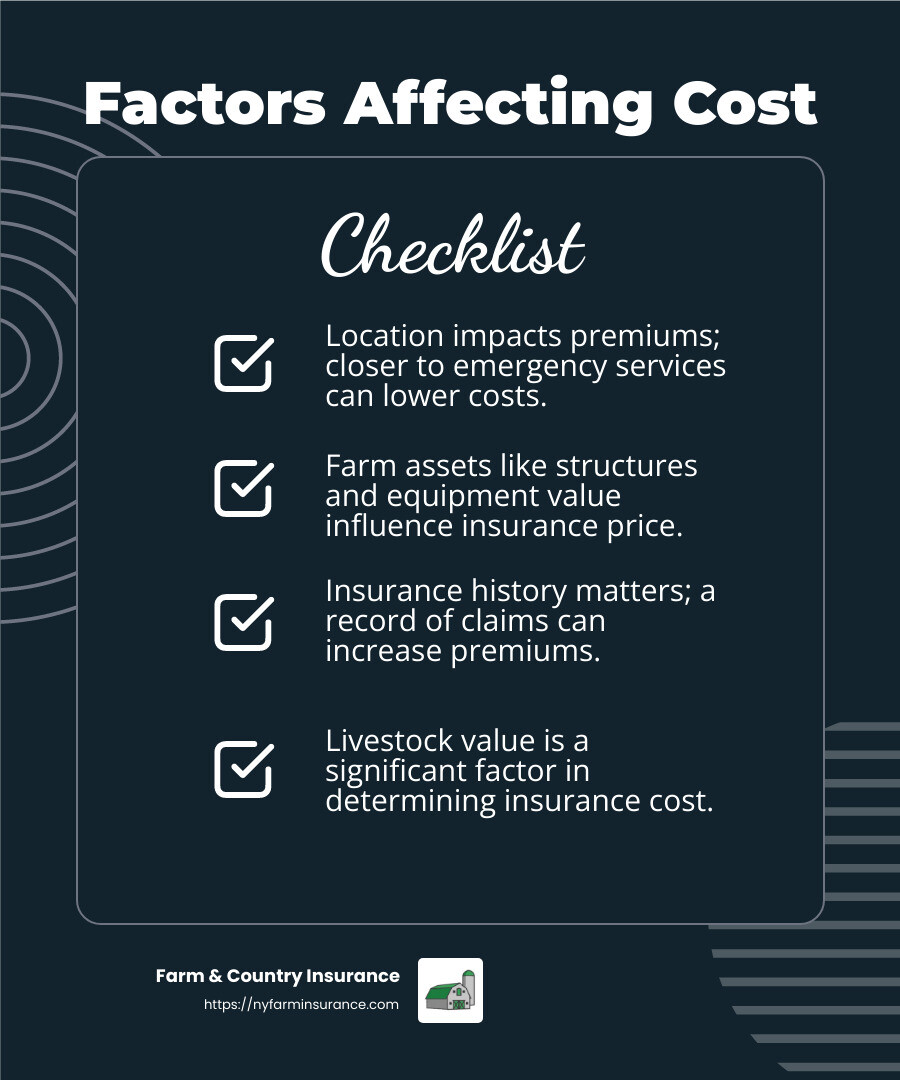
The cost of hobby farm insurance can vary widely, generally ranging from $100 to $300 per month. Several factors influence this cost:
- Location: Proximity to emergency services, like fire departments, can affect premiums.
- Farm Assets: The value of structures, equipment, and livestock impacts the cost.
- Insurance History: A history of claims might increase your premiums, while a clean record could lower them.
Is hobby farm insurance a requirement?
Legally, hobby farm insurance isn’t mandatory. However, it’s a smart choice for many reasons:
- Protection Benefits: It covers risks that homeowner’s insurance doesn’t, like crop loss and farm equipment damage.
- Liability Coverage: If you’re hosting farm tours or selling produce, liability insurance can protect you from legal issues.
- Income Protection: For farms generating revenue, insurance can safeguard against financial loss from unexpected events.
Should a hobby farm be an LLC?
Forming a Limited Liability Company (LLC) for your hobby farm can offer several benefits:
- Business Entity: An LLC can help separate personal and business assets, providing a layer of protection.
- Personal Asset Protection: In case of legal issues or debts, your personal assets, like your home and savings, are better shielded.
While it’s not necessary for all hobby farms, it might be worth considering if your farm generates income or involves public interaction.
Conclusion
As we’ve explored, having the right insurance for your hobby farm is crucial. At Farm & Country Insurance, we understand the unique challenges and risks that come with running a hobby farm. Our expertise in farm insurance allows us to provide custom solutions custom to your needs, ensuring comprehensive coverage for your property, equipment, and liability concerns.
Choosing the best hobby farm insurance is not just about protecting against potential losses—it’s about peace of mind. Whether you’re raising livestock, growing crops, or simply enjoying your rural lifestyle, our goal is to safeguard your investment and keep your hobby farm thriving.
We offer a range of customizable packages that can be adapted to suit the specific requirements of your farm. From liability protection to coverage for outbuildings and equipment, our policies are designed to cover all aspects of your hobby farming activities.
With locations across Cayuga County and beyond, we are well-positioned to serve hobby farmers throughout New York. Our commitment is to deliver exceptional service and reliable coverage that you can trust.
For more information on how we can help protect your hobby farm, visit our Farm & Country Insurance page. Let us help you find the best fit for your farm today.