
How much does pollution insurance cost per million? On average, pollution insurance can cost between $11,000 and $15,000 per year for $10 million in coverage over a 10-year period. This translates to approximately $1,100 to $1,500 per million dollars of coverage annually. However, premiums can vary based on specific factors such as the nature of your business, property history, and risk exposure. For contractors needing pollution liability coverages, minimum premiums typically start around $2,500 for $1 million in coverage.
Pollution insurance plays a crucial role in protecting businesses, farmers, and contractors from the financial impact of environmental liabilities. Whether it’s caused by accidental spills, contamination, or other unforeseen incidents, having the right coverage limits in place is essential to safeguard your operations and assets. Pollution policies often include cleanup costs, legal defense, and completed operations coverage, providing a safety net against potentially bankrupting claims.
At Farm & Country Insurance, we pride ourselves in offering custom solutions to meet the specific needs of our clients. My name is Jeffrey Joseph, and as the founder of Farm & Country Insurance, I bring experience and expert knowledge in pollution insurance. With years of experience understanding how much does pollution insurance cost per million and its implications, I’m dedicated to providing customized coverage options for farmers and businesses alike.
How Much Does Pollution Insurance Cost Per Million?
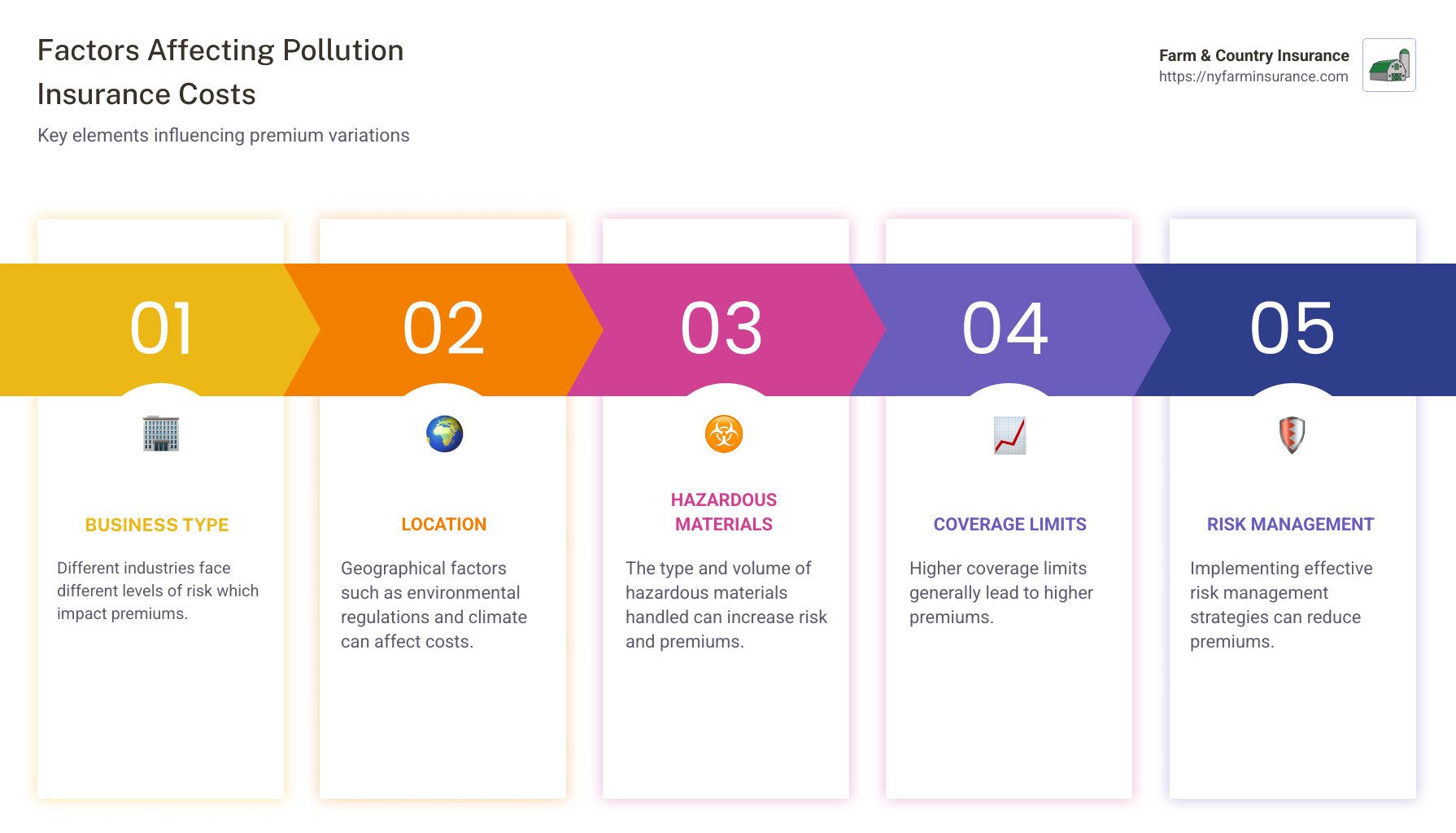
When it comes to pollution insurance costs per million, understanding the factors that influence these costs is key. On average, businesses can expect to pay between $1,100 and $1,500 per million dollars of coverage annually. However, this figure can vary significantly based on several important factors.
Factors Influencing Costs
Business Type: Different industries have varying levels of risk. For instance, construction companies handling hazardous materials like asbestos or industrial chemicals often face higher premiums. On the other hand, a small retail business might see lower costs due to reduced environmental risks.
Location: Where your business is located can greatly impact your premium. Businesses near residential areas or in regions with a history of industrial pollution might face higher costs. The proximity to sensitive environments or high-value real estate can also increase premiums due to the potential for costly claims.
Hazardous Materials: If your business handles or stores hazardous substances, expect this to reflect in higher premiums. Insurers will assess the types and quantities of materials used when determining risk levels.
Cost-Saving Strategies
Bundling Coverage: One effective way to reduce costs is by bundling pollution insurance with other types of coverage, such as general liability insurance. This can often lead to discounts and simplified policy management.

Annual Payments: Opting to pay premiums annually rather than monthly may provide a discount. This approach can reduce administrative costs for the insurer, which might be passed on to you as savings.
Risk Management: Implementing strong risk management practices can lower your premiums. This includes regular inspections, employee training on handling hazardous materials, and maintaining a clean safety record. Demonstrating a proactive approach to minimizing environmental risks can make your business more attractive to insurers.
By understanding these factors and strategies, businesses can better steer the complexities of pollution insurance costs. At Farm & Country Insurance, we’re committed to helping you find the right balance of coverage and cost to protect your operations effectively.
Types of Pollution Liability Insurance
Pollution liability insurance comes in various forms, each designed to address specific risks and scenarios. Understanding these types can help businesses choose the right coverage for their needs.
Contractors Pollution Liability
Contractors Pollution Liability (CPL) insurance is crucial for businesses involved in construction or similar industries. It covers property damage, bodily injury, and cleanup costs resulting from pollution incidents caused during a contractor’s work. This type of insurance is essential for contractors who handle hazardous materials or work in environments where pollution risks are high.
Premises Pollution
Premises Pollution Liability insurance protects businesses from pollution incidents that occur on their owned or rented properties. This coverage is important for businesses that operate facilities where pollutants could potentially be released into the environment. It typically includes coverage for cleanup costs, legal defense, and any third-party claims arising from pollution events on the premises.
Errors and Omissions
Errors and Omissions (E&O) Insurance is designed for businesses that provide professional services or advice. In the context of pollution liability, it covers claims related to professional mistakes or oversights that lead to pollution incidents. For instance, if a consultant provides faulty advice about environmental conditions that results in contamination, E&O insurance can cover the resulting claims and legal defense costs.
Coverage Details
Cleanup Costs: Pollution liability insurance often covers the expenses associated with cleaning up contaminated sites. This is a critical component, as cleanup costs can be substantial and include soil remediation, water treatment, and waste disposal.
Legal Defense: If a business faces legal action due to a pollution incident, the policy typically covers legal defense costs. This includes attorney fees, court costs, and settlements, which can quickly add up without adequate insurance protection.
Property Transfer: Some pollution policies include a property transfer endorsement. This is beneficial when purchasing previously contaminated properties, as it covers cleanup costs and liability issues that might arise from pre-existing pollution conditions.
Understanding these types of pollution liability insurance and their coverage details is essential for businesses looking to protect themselves from environmental risks. Farm & Country Insurance is here to guide you through selecting the right policy for your unique needs.
Frequently Asked Questions about Pollution Insurance Costs
How much does pollution insurance cost per million?
Pollution insurance costs can vary widely depending on several factors. On average, small businesses pay a premium of $223 per month, or about $2,675 annually, for environmental liability insurance. However, when considering coverage limits, the cost per million dollars of coverage can start at approximately $2,500 with a deductible of $5,000. Coverage limits can extend up to $25 million, which includes legal defense costs. These figures are averages and your specific costs could be different based on your business’s unique circumstances.
What factors affect pollution insurance premiums?
Several factors influence how much you pay for pollution insurance. Here are the key ones:
Business Risks: If your business handles hazardous materials or operates in high-risk industries, you might face higher premiums. For example, construction companies dealing with asbestos or industrial chemicals will likely pay more due to the increased risk of pollution incidents.
Location: The location of your business plays a significant role. Businesses near residential areas or those situated in industrial zones may face higher premiums. This is because the potential for pollution incidents and the associated costs can be greater in these areas.
Industry Type: Different industries have different levels of pollution risk. For instance, manufacturing plants and oil field operations typically face higher premiums due to the nature of their work, which often involves hazardous substances.
What is excluded from pollution insurance coverage?
It’s important to know what pollution insurance doesn’t cover to avoid unexpected costs. Common exclusions include:
Intentional Acts: Any pollution caused intentionally by the insured party is not covered.
Asbestos: Many policies exclude asbestos-related incidents unless specifically added as a policy endorsement.
Contractual Liability: If your business has agreed to assume liability under a contract, these liabilities might not be covered under standard pollution insurance policies.
Understanding these exclusions can help you make informed decisions about your coverage needs. Farm & Country Insurance can assist you in navigating these complexities to ensure you have the right protection in place.
Conclusion
At Farm & Country Insurance, we understand that every farm and agribusiness has its own unique set of risks and challenges. That’s why we offer custom solutions tailored to meet the specific needs of your operation. Our deep expertise in farm insurance allows us to provide comprehensive coverage options that address the diverse risks faced by dairy, grain, fruit, and vegetable farms across New York.
Risk management is a critical component of safeguarding your business. We don’t just offer insurance; we partner with you to develop strategies that minimize potential exposure to environmental liabilities. Our team can help you implement risk management practices that not only protect your assets but also work to keep your premiums manageable.
Pollution insurance is a complex but essential part of protecting your farm or agribusiness from unforeseen environmental incidents. By working with Farm & Country Insurance, you gain access to a team that is dedicated to helping you understand and steer the intricacies of pollution insurance. We offer custom solutions that ensure you have the right level of protection at a cost that fits your budget.
For more detailed information on how we can assist you with pollution insurance and other coverage needs, visit our Pollution Insurance page. Let us help you secure the peace of mind that comes from knowing your business is protected against environmental risks.