
Insurance for farm vehicles is a crucial safeguard for farmers who rely heavily on vehicles for their daily operations. Farms function smoothly and efficiently when their vehicles are protected against unexpected incidents. Here’s why farm vehicle insurance is vital:
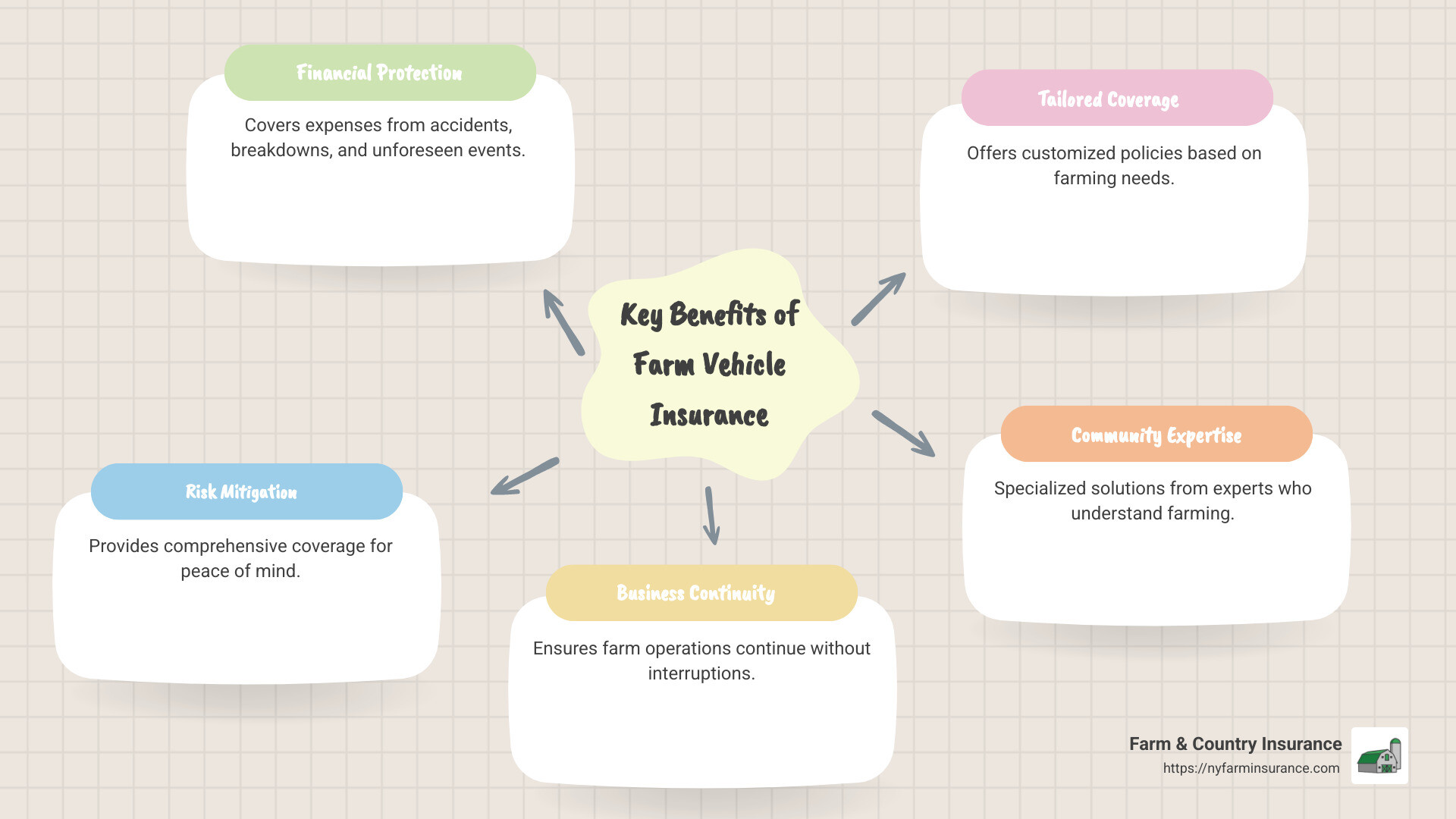
- Protects Against Financial Losses: Covers expenses from accidents, breakdowns, and unforeseen events.
- Mitigates Risks: Provides comprehensive coverage, ensuring peace of mind for farmers.
- Ensures Business Continuity: Keeps farm operations running without interruptions due to vehicle-related issues.
- Adapts to Unique Needs: Offers custom coverage based on the specific requirements of different farming operations.
Insurance shields farm vehicles from potential risks, ensuring that farms can continue to operate smoothly and avoid financial strain from accidents or equipment failures.
As Jeffrey Joseph, owner of Farm & Country Insurance, I’ve dedicated my career to offering specialized insurance solutions for farm vehicles. With experience in the farming community and an understanding of the unique challenges faced by farmers, I’m committed to providing coverage that protects your livelihood and legacy.
Understanding Farm Vehicle Insurance
When it comes to Insurance for farm vehicles, understanding the different coverage options is key. This ensures that your farm’s vehicles are protected from various risks, which can help keep your operations running smoothly.
Liability Coverage
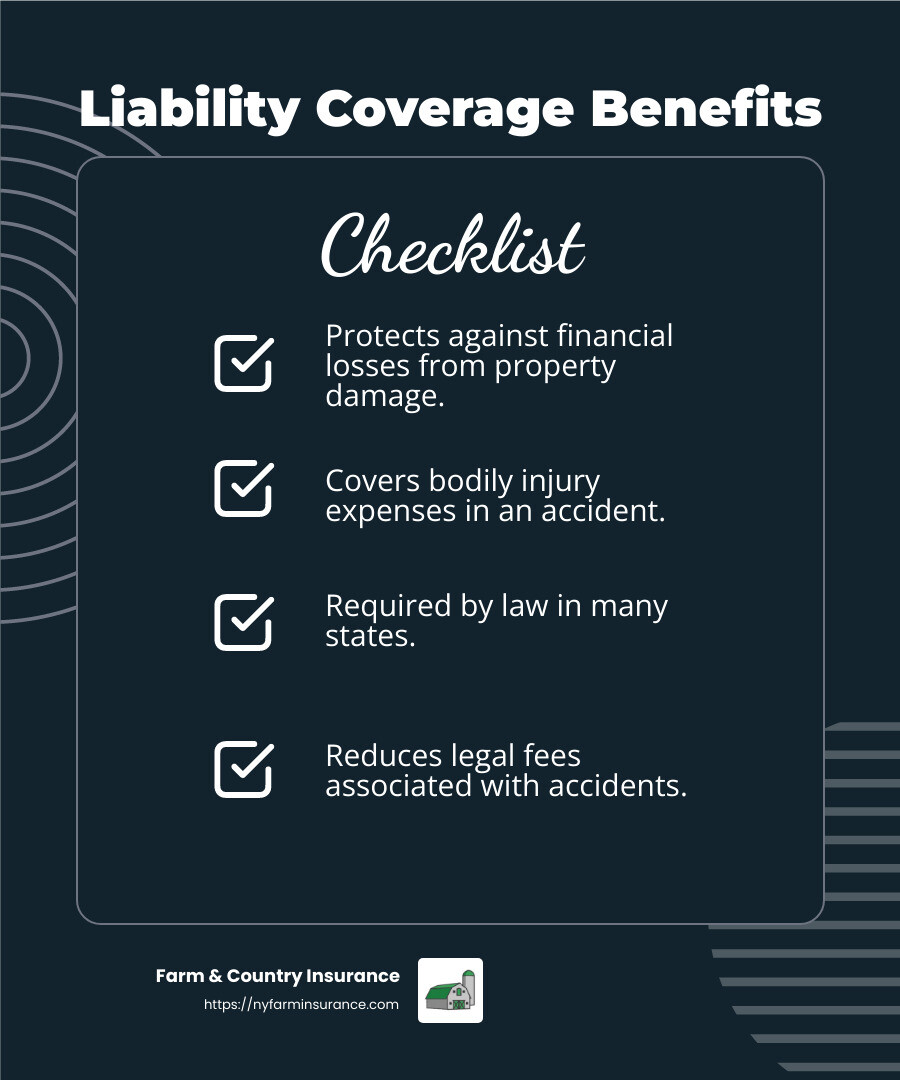
Liability coverage is a must-have for any farm vehicle. It protects you from financial losses if you’re found legally responsible for causing property damage or bodily injury in an accident. In many states, having liability coverage is not just a good idea; it’s required by law.
- Property Damage: If your farm truck damages another vehicle or someone’s property, this coverage helps pay for the repairs.
- Bodily Injury: If someone is hurt in an accident involving your farm vehicle, liability coverage can help cover medical expenses and legal fees.
Collision and Comprehensive Coverage
While liability coverage is crucial, it doesn’t cover everything. That’s where collision and comprehensive coverage come in.
Collision Insurance: This kicks in if your farm vehicle is damaged in an accident with another vehicle or object. For example, if your tractor collides with a fence, collision insurance can help cover the repair costs.

Comprehensive Coverage: This covers damage from non-collision events. Think vandalism, severe weather, or even an unfortunate encounter with a deer on the road. Comprehensive coverage ensures that these unexpected events don’t derail your farm operations.

By combining liability, collision, and comprehensive coverage, you create a robust safety net for your farm vehicles. This ensures you’re prepared for various risks, from accidents to natural disasters, keeping your farm operations resilient and secure.
Types of Farm Vehicle Insurance
When it comes to protecting your farm vehicles, understanding the right type of insurance is crucial. Let’s break down the two main types: Commercial Auto Insurance and Personal Auto Insurance.
Commercial Auto Insurance
Commercial Auto Insurance is designed for vehicles used primarily for business purposes. If your farm uses heavy trucks, semis, or vehicles titled to a business entity like an LLC, this is the coverage you need.
Business Vehicles: This policy covers vehicles that are part of your farm’s commercial operations. Whether you’re transporting livestock, grain, or equipment, having the right coverage is essential.
Higher Premiums: Due to the increased risk associated with business vehicles, commercial policies often come with higher premiums. However, these costs are typically tax-deductible, which can help ease the financial burden.
Mandatory Coverage: For many farms, especially those that transport products or equipment, commercial auto insurance isn’t just a choice—it’s a requirement. Ensuring you have the right coverage can protect your farm from potential liabilities and losses.
Personal Auto Insurance
Personal Auto Insurance is generally for vehicles used for personal reasons, even if they occasionally serve farm purposes. These are typically smaller vehicles like pickups titled to an individual.
Personal Use: If your vehicle is primarily for personal tasks, like running errands or commuting, this type of coverage will likely suit your needs. However, if you use the vehicle in your farming operations, you might need additional coverage.
Business Use Exclusion: It’s crucial to note that many personal auto policies exclude coverage for business use. If your vehicle is used for farm-related tasks, make sure to discuss endorsements with your insurance agent.
Endorsements: These are add-ons to your personal policy that can provide additional coverage for specific needs. For instance, if your personal vehicle occasionally hauls farm products, an endorsement can ensure you’re covered.
Understanding these insurance types helps you choose the right protection for your farm vehicles. Make sure to consult with Farm & Country Insurance to tailor a policy that fits your unique needs and keeps your operations running smoothly.
Cost Considerations for Farm Vehicle Insurance
When considering insurance for farm vehicles, understanding the costs involved is crucial. Let’s explore the factors that influence these costs and how you can save money with multi-policy discounts.
Factors Affecting Cost
Several factors can affect the cost of insuring farm vehicles. Here are the main ones:
Vehicle Type: Larger vehicles, like grain trucks or semis, often cost more to insure due to their size and the potential damage they can cause in an accident. Conversely, smaller vehicles like pickups might have lower premiums.
Usage: How you use your vehicle matters. Vehicles primarily used for farm operations might have different rates compared to those used occasionally for personal errands. For example, a vehicle that regularly hauls livestock or produce might incur a higher premium due to increased risk.
Location: Your farm’s location can influence insurance costs. Rural areas typically have lower rates than urban areas due to less traffic and fewer accidents. If you’re in a place like Cayuga County, NY, you might benefit from these lower rates.
Multi-Policy Discounts
Bundling policies is a smart way to save on insurance costs. Here’s how it works:
Bundling Policies: By combining multiple types of insurance, such as farm, auto, and home insurance, you can often receive a discount. This not only simplifies your billing but also can lead to significant savings.
Cost Savings: Many insurance companies offer discounts when you insure multiple vehicles or policies with them. These savings can add up, making it more affordable to protect all aspects of your farm operations.
Discussing these factors with Farm & Country Insurance can help tailor a policy that fits your budget while ensuring comprehensive coverage. This way, you can focus on what you do best—running your farm—knowing your vehicles are well-protected.
Frequently Asked Questions about Farm Vehicle Insurance
Are farm vehicles cheaper to insure?
Farm vehicles can often be cheaper to insure due to a few key reasons:
Lower Mileage: Many farm vehicles are used primarily on the farm and not for long-distance travel. This reduced mileage can lead to lower insurance premiums since there’s less risk of accidents.
Rural Use: Vehicles operating mainly in rural areas, like Cayuga County, NY, tend to have lower insurance costs. Rural areas typically see less traffic congestion and fewer accidents, translating to reduced risk for insurers.
Specific Policies: Specialized insurance policies custom for farm vehicles may offer additional savings. These policies consider the unique use of farm vehicles, which can differ significantly from standard vehicles.
Do farm vehicles have to be insured?
Yes, farm vehicles generally need to be insured, but the requirements can vary:
Liability Coverage: Most states require at least liability coverage for farm vehicles. This coverage protects against claims for bodily injury or property damage in the event of an accident.
State Requirements: Each state has different laws regarding vehicle insurance. It’s essential to understand your state’s specific requirements to ensure compliance and avoid potential fines or penalties.
How much does farm vehicle insurance cost?
The cost of insuring farm vehicles can vary widely based on several factors:
Average Costs: On average, farm vehicle insurance might be lower than standard auto insurance due to the factors mentioned above, like lower mileage and rural use.
Policy Types: The type of insurance policy you choose—whether it’s a personal auto policy, commercial auto policy, or a specialized farm vehicle policy—will significantly impact the cost. Commercial policies, for instance, tend to have higher premiums due to their broader coverage and higher risk profiles.
By understanding these aspects, you can make informed decisions about insuring your farm vehicles. For personalized advice, discussing your needs with Farm & Country Insurance can ensure you get the right coverage at the best price.
Conclusion
At Farm & Country Insurance, we understand that every farm has unique needs. That’s why we offer custom solutions custom to fit the specific requirements of your agricultural operations. Our team is dedicated to providing comprehensive coverage that protects not just your vehicles, but your entire farming enterprise.
Risk management is at the heart of what we do. We know that the farming industry comes with its own set of challenges and risks. Our deep understanding of these risks allows us to offer insurance solutions that work as hard as you do. Whether you run a dairy farm, a grain operation, or grow fruit and vegetables, we have the expertise to safeguard your livelihood.
Our commitment to you goes beyond just providing insurance. We partner with you to identify potential risks and offer strategies to mitigate them. This proactive approach helps ensure that your farm can weather any storm and continue to thrive.
For more information on how we can help protect your fruit and vegetable farm, visit our Fruit & Vegetable Farm Insurance page. Let’s work together to keep your farm safe and successful.