
Pollution Legal Liability: It may sound complex, but it’s crucial for businesses, especially those like Farmer John’s. Here’s what you need to know:
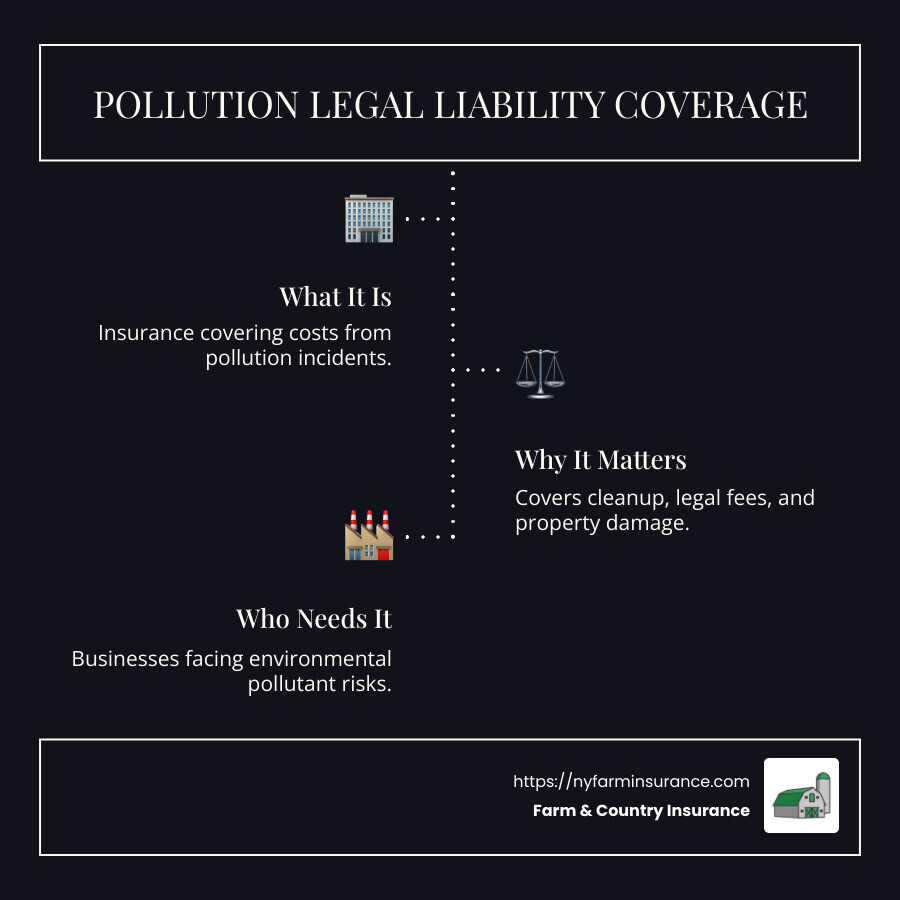
- What It Is: Insurance that protects against costs from pollution incidents.
- Why It Matters: Covers cleanup, legal fees, and property damage.
- Who Needs It: Businesses facing risks from environmental pollutants.
Environmental risks and pollution incidents can pose significant financial threats to businesses. Whether it’s an unexpected chemical spill or a third-party accident that leads to contamination, such events can bring hefty cleanup costs and legal liabilities. Pollution legal liability insurance helps cover these incidents, protecting you from potential financial disaster. For farms, like those in New York, where accidents involving environmental pollutants are possible, this type of coverage is essential. It ensures that you’re not left with impossible costs if disaster strikes.
My name is Jeffrey Joseph, and as the founder of Farm & Country Insurance, I understand the challenges businesses face with pollution legal liability. With my experience in farm insurance, I’m committed to helping businesses like yours steer these risks effectively.
Simple pollution legal liability glossary:
– pollution insurance
– pollution insurance policy
Understanding Pollution Legal Liability
Pollution Legal Liability (PLL) is a specialized insurance that protects businesses from the financial fallout of environmental incidents. These incidents can be costly, involving clean-up expenses, legal fees, and compensation for bodily injury or property damage.
Key Features of Pollution Legal Liability
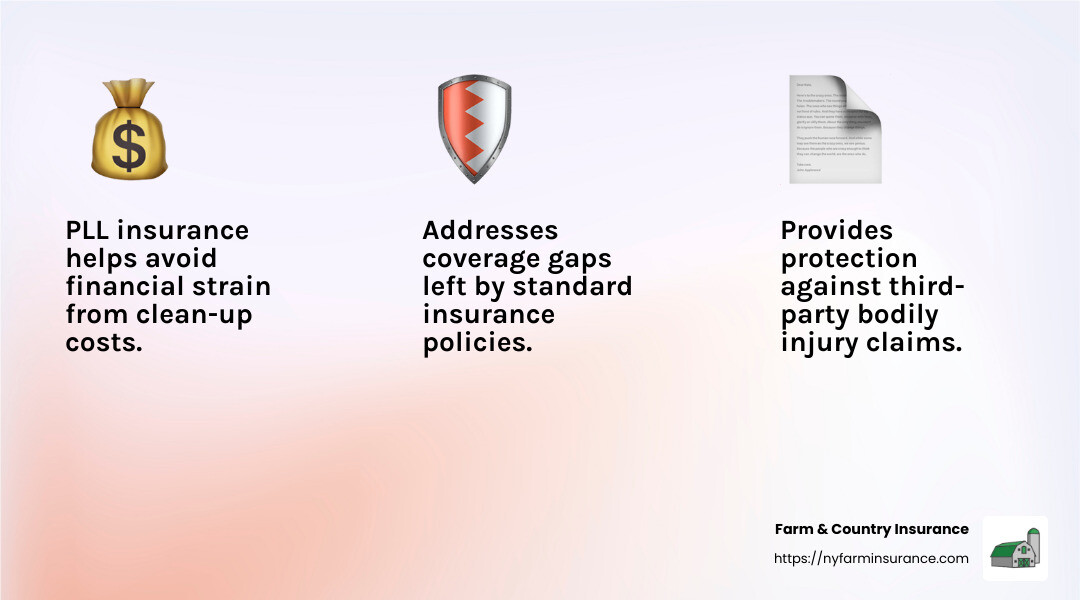
Clean-Up Costs: Accidental spills or leaks can lead to contamination, requiring immediate and often expensive remediation efforts. PLL insurance covers these clean-up costs, ensuring businesses can address pollution incidents without financial strain.
Bodily Injury and Property Damage: Environmental incidents can harm people and property. PLL insurance provides coverage for third-party bodily injury and property damage claims, protecting businesses from costly lawsuits.
Coverage Gaps: Many standard insurance policies exclude pollution-related incidents. PLL fills these gaps, offering comprehensive protection against environmental liabilities.

Benefits of Pollution Legal Liability Insurance
Asset Protection: By covering the costs associated with environmental incidents, PLL insurance safeguards a business’s assets, preventing financial losses that could threaten its survival.
Business Continuity: With PLL coverage, businesses can quickly address and recover from pollution incidents, minimizing downtime and ensuring ongoing operations.
Legal Expenses: Environmental incidents often lead to legal challenges. PLL insurance covers legal expenses, providing businesses with the resources to defend against claims and comply with regulatory requirements.
Risk Management is crucial for any business, especially those in industries like agriculture, manufacturing, or healthcare, where environmental risks are prevalent. PLL insurance is a vital tool in managing these risks, offering peace of mind and financial security.
Transitioning to the next section, let’s explore the different types of pollution liability insurance, such as Contractor’s Pollution Liability and Site Pollution Liability, to see which might be the best fit for your business needs.
Types of Pollution Liability Insurance
When it comes to protecting your business from environmental risks, understanding the different types of pollution liability insurance is crucial. Each type offers unique coverage custom to specific activities and risks.
Contractor’s Pollution Liability
Contractor’s Pollution Liability (CPL) is designed for businesses involved in contracting operations. This insurance protects against pollution incidents that may occur during a contractor’s work.
Coverage Scope: CPL covers third-party bodily injury, property damage, and cleanup costs resulting from pollution events caused by the contractor’s operations. This includes incidents like chemical spills at job sites or leaks from fuel tanks during transportation.
Operational Risks: Contractors face various risks, such as disturbing asbestos or causing mold and bacteria release during HVAC construction. CPL provides a safety net for these situations.
Importance for Property Owners: If you’re a property owner, requiring contractors to carry CPL coverage is a wise practice. It ensures that any pollution event arising from their work will be addressed, safeguarding your property and investment.
Site Pollution Liability
Site Pollution Liability focuses on pollution risks associated with specific locations. This insurance is crucial for businesses with scheduled locations where pollution releases might occur.
Scheduled Location Coverage: This type of insurance provides protection for pollution events that happen at a designated site. It covers cleanup costs and third-party claims resulting from environmental incidents at these locations.
Environmental Risks: Businesses in industries like agriculture, manufacturing, and healthcare face site-specific environmental risks. Site Pollution Liability ensures these risks are managed, offering peace of mind and financial protection.
Environmental Impairment Liability
Environmental Impairment Liability (EIL) is another critical coverage that addresses broader environmental risks. It provides comprehensive protection against various pollution-related liabilities.
Broad Coverage: EIL covers a range of pollution incidents, including those not tied to a specific site or contractor operation. This makes it a versatile choice for businesses with diverse environmental exposures.
Risk Mitigation: EIL is essential for businesses aiming to mitigate environmental risks and ensure compliance with regulatory obligations. It helps manage reputational risk by demonstrating a commitment to environmental responsibility.
Understanding these types of pollution liability insurance helps businesses make informed decisions about their coverage needs. By choosing the right insurance, you can protect your operations, assets, and reputation from the costly impacts of environmental incidents.
Next, we’ll dig into how pollution legal liability protects your business, focusing on risk mitigation and compliance obligations.
How Pollution Legal Liability Protects Your Business
Industry-Specific Applications
Pollution Legal Liability (PLL) is more than just an insurance policy; it’s a strategic tool for protecting your business from environmental risks. By addressing potential liabilities, PLL not only safeguards your assets but also ensures compliance with environmental regulations, and shields your reputation.
Risk Mitigation
Environmental incidents can be unpredictable and costly. Whether it’s a chemical spill or a fire outbreak, these events can lead to significant financial losses. PLL helps mitigate these risks by covering clean-up costs, third-party bodily injury, and property damage. This coverage is essential for businesses in industries like manufacturing, where the use of chemicals and heavy machinery increases the risk of pollution events.
Compliance Obligations
Navigating environmental regulations can be complex, especially for industries like healthcare and agriculture that face strict compliance requirements. PLL insurance helps ensure that your business meets these regulatory obligations by providing coverage for incidents that might otherwise lead to fines or legal action. In the healthcare sector, for instance, this might include managing waste disposal to prevent contamination.
Reputational Risk
Your business’s reputation is one of its most valuable assets. Pollution incidents can damage this reputation, leading to loss of customer trust and business opportunities. PLL coverage helps protect against reputational damage by demonstrating your commitment to environmental responsibility and preparedness. In agriculture, where sustainable practices are increasingly important to consumers, having PLL coverage can improve your business’s standing in the community.
Manufacturing
Manufacturers face unique environmental challenges, from emissions to waste management. PLL provides a safety net for these operations, ensuring that any pollution incidents are swiftly managed and do not disrupt production. This is crucial for maintaining continuous operations and avoiding costly downtime.
Healthcare
In healthcare, managing hazardous materials and waste is part of daily operations. PLL insurance covers the risks associated with these activities, ensuring that your facility remains compliant with health and safety regulations. This not only protects your patients and staff but also helps maintain the trust of the community you serve.
Agriculture
Agricultural operations often involve the use of chemicals and fertilizers, which can lead to pollution incidents affecting soil and water quality. PLL insurance provides farmers with the coverage needed to address these risks, ensuring that agricultural practices remain sustainable and compliant with environmental standards.
By understanding how PLL protects businesses across different industries, you can better appreciate its value in safeguarding your operations from environmental liabilities. Next, we’ll address some frequently asked questions about pollution legal liability to further clarify its role in protecting your business.
Frequently Asked Questions about Pollution Legal Liability
What is pollution legal liability coverage?
Pollution legal liability (PLL) coverage is designed to protect your business from the financial consequences of environmental incidents. This includes coverage for clean-up costs, third-party bodily injury, and property damage resulting from pollution events. It’s a crucial part of asset protection, especially in industries where environmental risks are significant. For example, businesses in agriculture or manufacturing often deal with chemicals that could potentially harm the environment.
How much does pollution legal liability insurance cost?
The cost of PLL insurance can vary widely based on several factors. Key considerations include the specific industry risks associated with your operations, the location of your business, and the extent of coverage you need. For instance, a factory located near a waterway might face higher premiums due to the increased risk of water contamination. It’s essential to work with a knowledgeable agent at Farm & Country Insurance to get a policy custom to your specific needs and budget.
What is an example of a pollution liability claim?
Imagine a contracting company involved in a construction project accidentally spills a large quantity of hazardous material. This could lead to soil contamination and potentially affect nearby water sources. The company might face a legal claim for cleanup costs and damages to third-party properties. In such a scenario, PLL insurance would cover the contractor’s disposal expenses and any legal claims arising from the incident. This not only mitigates financial loss but also helps maintain the company’s reputation and operational continuity.
By addressing these common questions, you can better understand how pollution legal liability insurance can protect your business from unforeseen environmental events. This knowledge is crucial for making informed decisions about your insurance needs.
Conclusion
At Farm & Country Insurance, we understand the unique challenges and risks that come with running a farm or agribusiness. Our deep knowledge of the farming industry allows us to offer custom solutions custom to your specific needs. Whether you’re dealing with dairy, grain, fruit, or vegetable farming, we provide comprehensive risk management services to keep your business protected.
Pollution legal liability insurance is a crucial component of this protection. It ensures that your business is safeguarded against the financial impacts of environmental incidents. This coverage includes clean-up costs, legal expenses, and compensation for third-party damages. By investing in pollution legal liability insurance, you’re not just protecting your assets; you’re securing the future of your business.
Our team is committed to helping you steer the complexities of environmental liabilities. We offer personalized advice and insurance products that are designed to address the specific risks you face. With Farm & Country Insurance, you can focus on growing your business, knowing that you’re well-prepared for any environmental challenges that might come your way.
For more information on how pollution legal liability insurance can benefit your business, visit our Pollution Insurance page. Let us help you protect what matters most.